Sunday, September 23, 2012

Tunbridge sixteen


Visit sixteen in early Spring, this time we were welcomed with wild and cold equinoctial winds on the first night of our arrival. Loud bangs and scrapes kept us alert in our bed during the night. Brisbane has cathartic thunderstorms but Tunbridge has wild, wild winds - and once again we thrilled at the differences between our two 'homes'. Green, wet, windy and cold - the morning brought bright sun and these sweet arrivals;
Muscari or Grape Hyacinth - those little garlic sized bulbs that often turn up when weeding I'm glad to see they have survived last summer's hasty re-burial in this spot. 


Apricot, the first of the espaliered trees to blossom, though the frosts that are sure to follow will usually spoil any chance of these flowers developing into fruit - this sight is charm enough.


Two survivors, Blue Fescue grass and Rosemary - looks like I should plant more of these.


Sunday, July 15, 2012

Winter colour

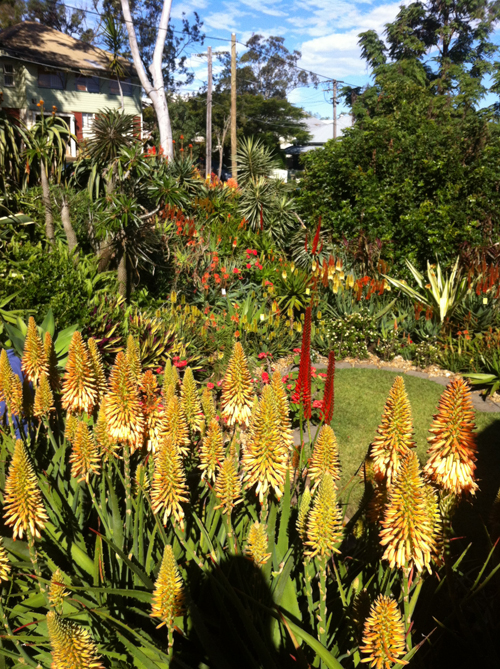
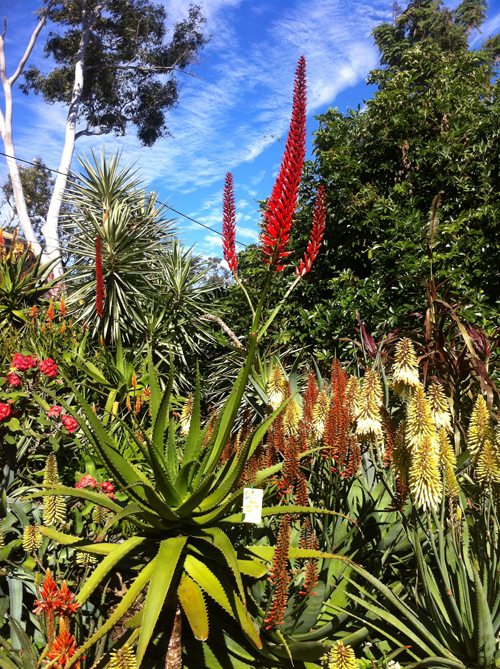
Helen Young's tip-off in the Weekend Australian led me to a nearby garden, open to the public over the weekend as part of the Open Gardens Australia scheme. After a few rainy days, un-characteristic for our Brisbane winters, the sun returned to light up this unusual garden.

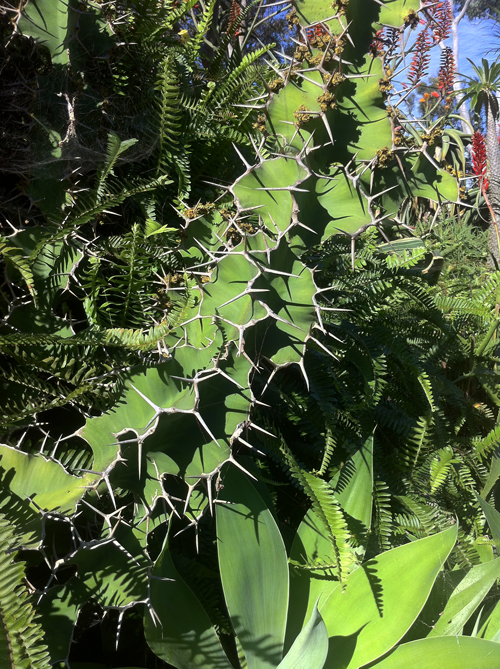
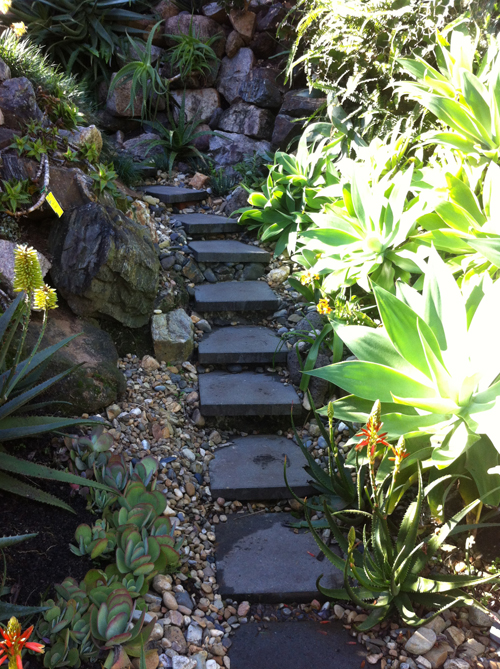
A small steep block showcasing over 50 new types of colourful Aloes. These drought resistant sculptural plants with their spiky conical leaves are not unfamiliar, but these spectacular blooms, mass plantings and stylish companion plantings felt like a riot. 

Garden owners Michael & Alexandra Dent certainly do know what they are about, Michaels company Aloe-Aloe markets and distributes this premium collection of Aloes in Australia. Michael was on hand to advise on selection and I came away with four new plants which will add drama to our garden.


Sunday, January 29, 2012

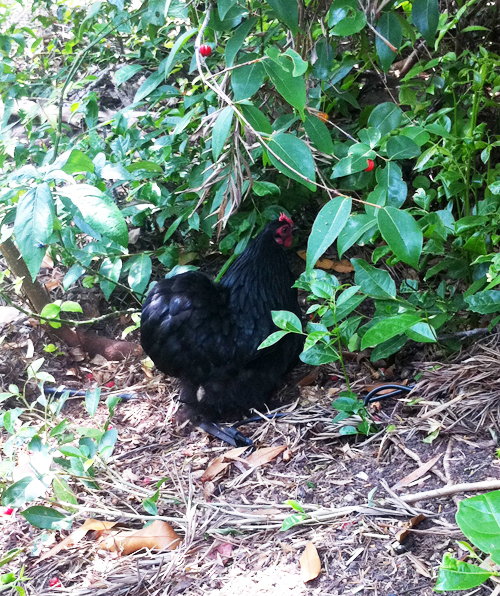
Black Pekin Bantams


Two new hens have brought the number of my little backyard flock to six again. Pekin Bantams are docile birds, well suited to discrete free range living in a suburban garden. 


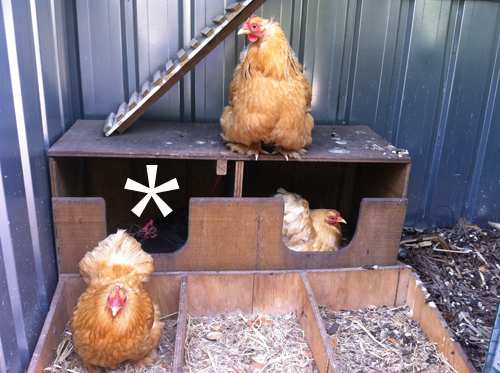
The new 'girls' layed a couple of eggs on arrival then promptly went broody. This is a natural part of their cycle they stop laying and just sit on the nest - its all about hatching the eggs. Quite often the other laying hens will favour the broody's nest, slip in beside the sitting hen, lay their egg then leave and get on with their day - its all very co-operative.

Sunday, January 1, 2012

The Life of the Bee - Maurice Maeterlink


Intrigue has prompted me to find out more about the new arrivals, so this book, seemingly waiting in my bookcase for this moment, is now providing a rather florid insight into the hidden workings of the hive. Written in 1901, The Life of the Bee by the Symbolist poet and essayist Maurice Maeterlink does not purport to be 'a treatise on apiculture, or on practical bee-keeping'. Far from it, in writing of the 'spirit of the hive' the language is that of rapture and heroics. What startling synchronicity, since I have just finished reading A.S. Byatt's Possession, a story situated in just the same era -that is the late 19th century and the Romantic Poets. 

A Beehive in the Garden

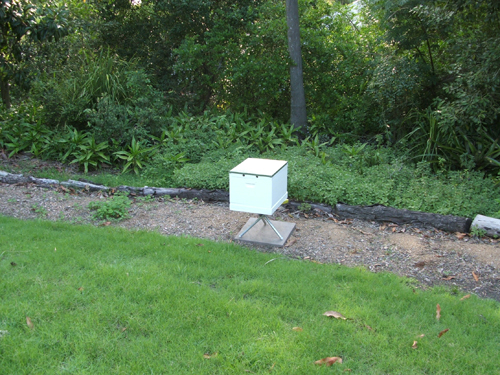
A month ago, seeking to expand his holdings, Dimitar placed one of his beehives in our garden. This insect agistment arrangement is of mutual benefit and enables me to learn more about 'the Bee', always a favorite symbol of mine. We aimed to position the white box somewhere away from the house, the chook pen and the dog's yard and decided on a section of the the path, one of the few level surfaces on our steep sloping block. Without fuss, he installed the gently humming hive one morning shortly after dawn, then we watched, standing a good way back, as he removed the strip of wood which sealed the entrance. Immediately the first bees emerged and flew up in spirals to reconnoitre the new surrounds.

Sunday, October 24, 2010

Free-ranging Bantams


Currently three of our five Buff Pekin Bantams spend most of their day foraging in the garden or resting in the deep and fragrant shade of the Galangal, a plant which has good associations for the little flock. The other two are pre-occupied with secret egg business in the dark of the chook house. On this batch of hens arrival, two and a half years ago, the chook pen encompassed this vigorous ginger plant and they would make dust baths or occasionally lay an egg or two, if the available nest boxes were occupied, between the thick green stems. But this winter I made use of the pen's fertilised soil to plant spinach, beetroot and chinese greens and the hens yard was moved to a new spot.


I'm always charmed by the birds friendly, busy nature and observing their behaviour; noticing how they interact, hunt and forage while keeping an eye out for danger, is endlessly interesting to me. Sometimes I think my affection for the group is like a kind of professional admiration, their seemingly impractical feathered feet and puff pants belie such an impressive operational effectiveness. 
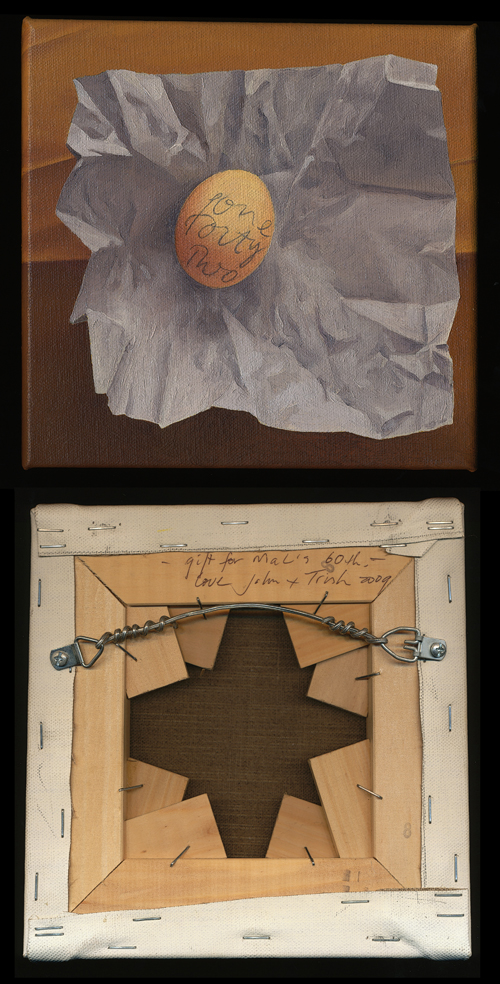
Egg production varies with the seasons and their own cycle - but we never need to buy eggs and often have spare to give away. They don't have names, but come when I talk to them or earnestly follow me to lock them back into safety. We do however pencil a number onto each egg, to know which to eat first and I always prefer when its mal's graphic hand that does the numbering - as you see it was the subject of this still life a 60th birthday gift to mal from our friend, artist John Honeywill.

Sunday, October 17, 2010

Wet Sunday

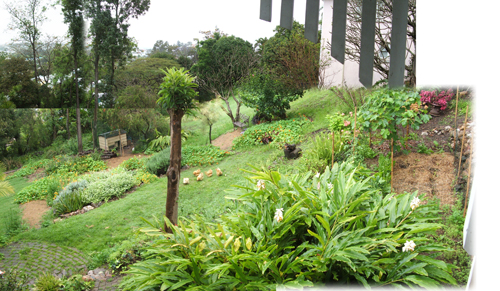
A patched view of the spare block with the Loquat tree lopped back to allow more sunlight onto the veggie patch. The Galangal starting to flower in the foreground, nasturtiums in full swing and sprawling across the paths and  five buff Pekin bantams foraging in the wet grass.